File 23 for 2023. What’s Next for Business and Society in Romania?
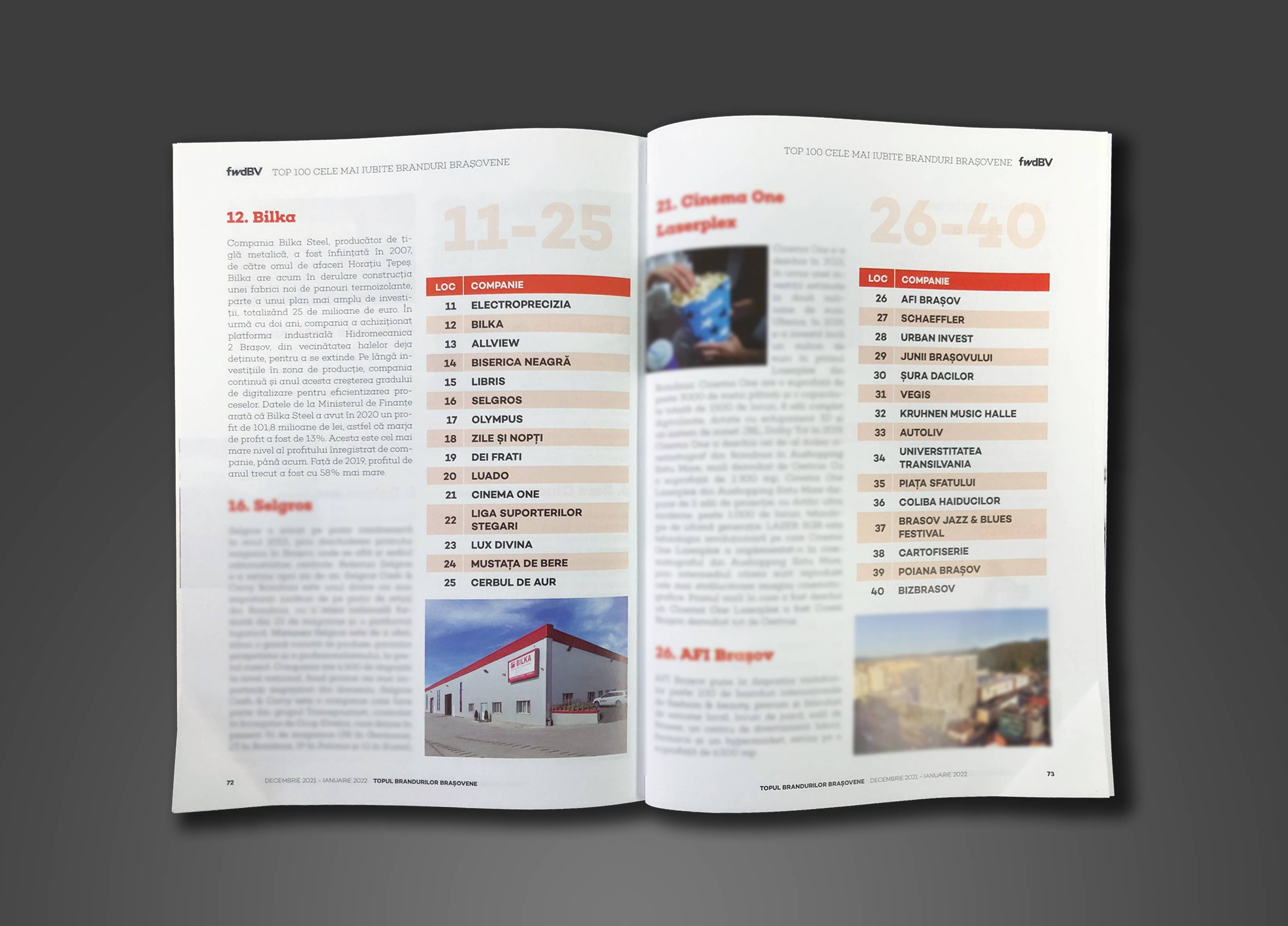
“In five years, we plan to have, at least in its early stages, a factory abroad, most likely in Slovakia, and probably a small site in Hungary. Last year, we exported goods worth around 30 million euros. It may sound like a lot, but compared to our overall turnover, it is not that significant,” says Horațiu Țepeș from his office in Brașov.
His vision of building factories through greenfield investments in foreign markets is shaped by how the construction materials market works within the European Union, where business logic pushes you to produce as close as possible to your end markets in order to be more efficient and profitable.
“We became market leader in Romania in 2012, just five years after starting out. Back then, the competition was weak, and I could even say complacent, and the challenge for us was to consolidate our position. There are groups that have reached a turnover of 6–7 billion euros with 50–60 factories. Why couldn’t we do the same? What motivates me even more is the fact that Romanians still haven’t done this (expansion abroad, editor’s note). We have some very good, healthy Romanian companies, but they have not taken that step”.
Horațiu Țepeș expects the first foreign factory to be the hardest to set up, but believes that afterwards it will be much easier to access other EU markets. He also knows the European market cannot be approached with a one-size-fits-all product range, as needs differ from country to country.
“Our aim is to meet domestic demand, invest in complementary products, and then replicate abroad what we have built here. Obviously, in markets where producing metal roof tiles is not feasible, we will focus on insulated panels. In Northern Europe, for example, we would go with metal roof tiles, as ceramic or concrete tiles would not work there. We know exactly what we have to do!”
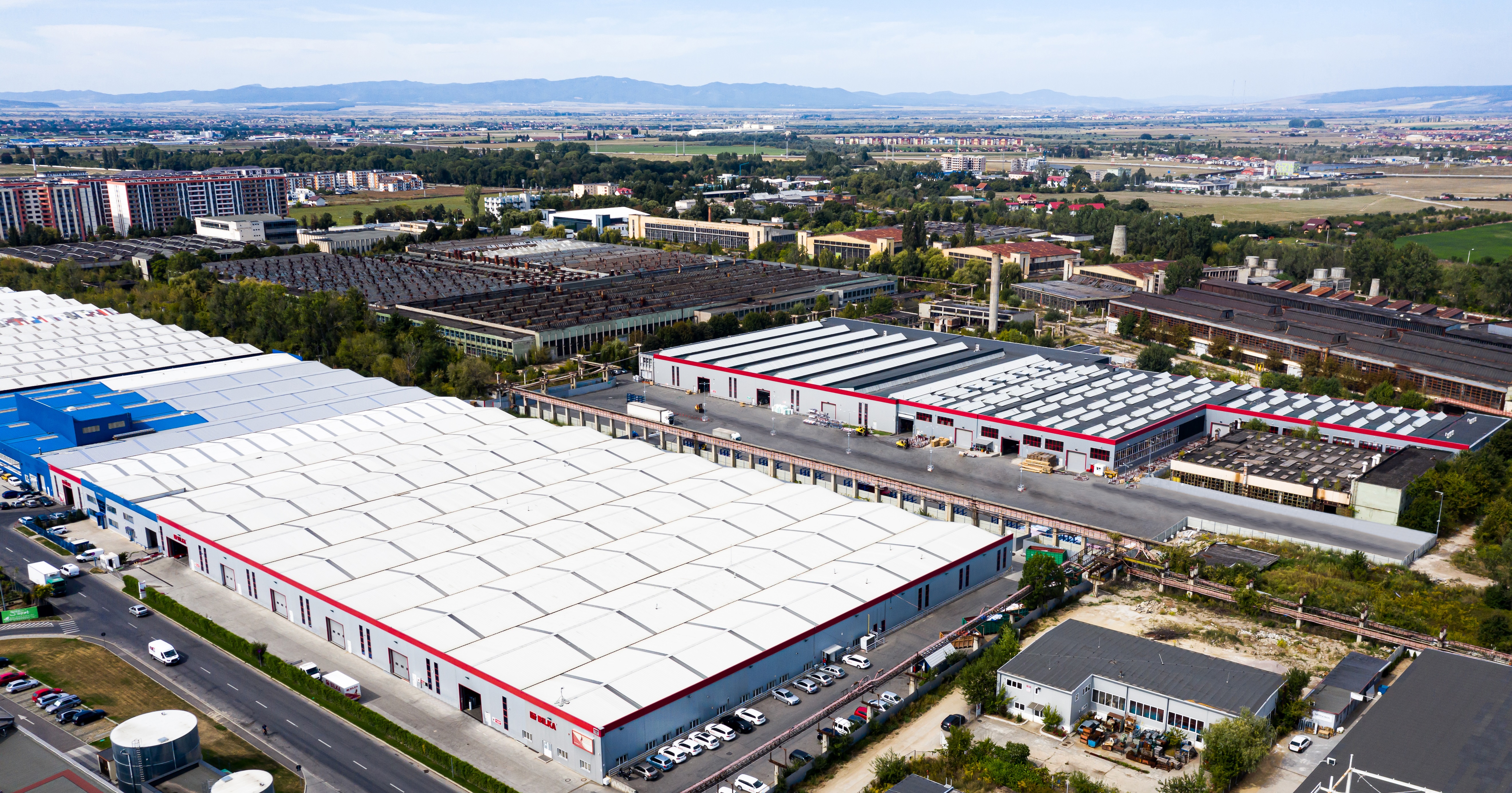
Part of BILKA’s strategic growth and product diversification is the new insulated panel factory the company has been building for several years, whose commissioning has already been delayed. The factory should reach normal production capacity next year and will be a mature investment within three years.
“The original plan for the new factory was a 20 million euro investment, but in the end we will reach 35 million euros. Equipment, construction materials, and labour have all become more expensive, and we have renegotiated contracts and accepted new terms countless times. We obtained separate building permits for different sections of the factory to avoid bottlenecks, and there were many critical points along the way”.
Bilka’s complete development vision for the domestic market covers four product segments, ranging from the residential sector to the industrial segment with turnkey halls, as well as a drywall profiles division and a garage door division. So far, the company’s investments total 70 million euros, and in the coming years that figure could rise sharply.
“At today’s values, we will probably reach around 170-200 million euros in investments by then, but the size of the market will also play a role. At the moment, we see enough potential to dedicate 6.5 hectares of production halls exclusively to insulated panels on a 12-hectare site. If the market grows significantly, there will be major opportunities both to the north and to the south, and we will certainly have to relocate and adapt to the times. So, our plans for Romania over the next 10 years remain firmly focused on investment”.

 Solicită ofertă